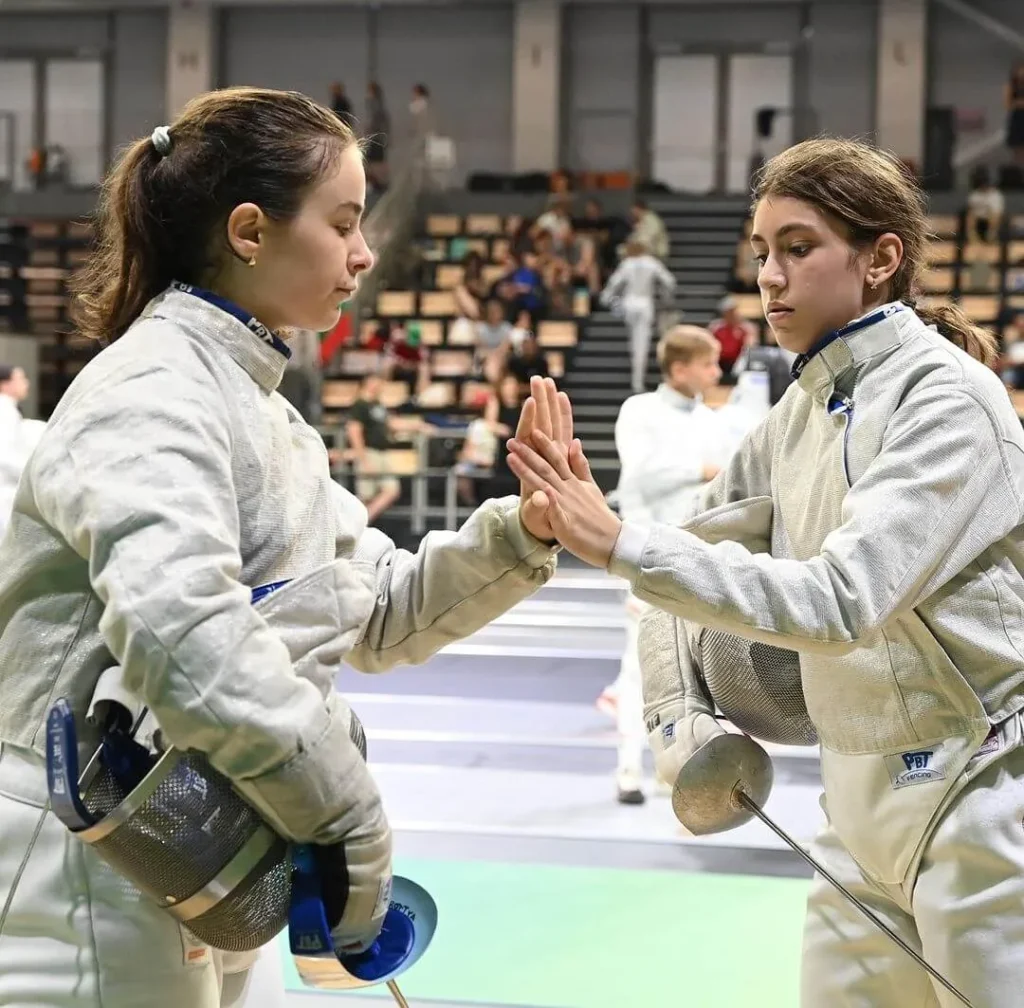

Fencing is a dynamic sport that demands agility, precision, power, and endurance. However, the intensity and repetitive nature of fencing make injury prevention a critical aspect of an athlete’s routine. Preventing injuries not only helps maintain peak performance but also ensures long-term participation in the sport. By understanding common injuries and implementing effective prevention strategies, fencers can protect themselves and enjoy a sustained and successful career.
Common Injuries in Fencing
Fencing injuries predominantly occur during training sessions rather than competitions. This is because the amount of time spent in training is the majority of the time athletes are actually fencing.
The injuries can be broadly classified into acute and chronic categories:
- Acute Injuries: These are sudden injuries such as cuts, bruises, sprains, and strains. They can result from improper technique, inadequate warm-ups, or accidental impacts during bouts.
- Chronic Injuries: These develop over time due to repetitive strain and overuse. Common chronic injuries include tendinopathies (such as tennis elbow), joint pain, and stress fractures. These issues can lead to prolonged downtime and may even end a fencer’s career prematurely if not addressed properly.
Saber fencers are particularly vulnerable to injuries due to the aggressive and fast-paced nature of their discipline. The high intensity and rapid changes in direction put significant stress on their muscles and joints, making injury prevention even more crucial for these athletes.
Strategies for Injury Prevention
To minimize the risk of injuries, fencers should incorporate several key practices into their training routines:
- Proper Warm-Ups: Warming up increases blood flow to the muscles, enhances flexibility, and prepares the body for the physical demands of training or competition. A good warm-up routine should include:
- Cardiovascular exercises (e.g., jogging, skipping rope) to elevate heart rate.
- Dynamic stretches and general exercises for key muscle activation.
- Sport-specific drills to simulate fencing movements from low to high intensity.
- Strength Training: Building strength is vital for supporting the body’s structures, the program should focus on:
- Leg strength and muscle imbalance.
- Core stability and control.
- Foot/ankle optimal stiffness with low-intensity plyometrics.
- Upper body exercises to strengthen shoulders and upper back.
- Arm/forearm strength to avoid injuries from overuse.
- Adequate Rest and Recovery: excessive fatigue can lead to overtraining drastically increase the risk of injury. Fencers should:
- Schedule regular rest days to allow the body to recover.
- Incorporate active recovery techniques such as light stretching and low-impact activities.
- Pay attention to any signs of overuse injuries and seek medical advice if necessary.
By implementing these strategies, fencers can significantly reduce the risk of both acute and chronic injuries. A holistic approach that combines physical conditioning, technical proficiency, and proper rest can ensure that athletes remain healthy and competitive throughout their fencing careers.
A collaborative approach between Strength & Conditioning (S&C) coaches and physiotherapists is essential for effective injury prevention in fencers. S&C coaches design tailored strength programs, while physiotherapists provide input on exercises to minimize injury risk and address imbalances.
Ultimately, it is the fencer’s responsibility to look after themselves by diligently following prescribed exercises and following the advice of their coaches and physiotherapists. By taking ownership of their training and health, fencers can prevent injuries, enhance their performance, and ensure long-term participation in the sport.