Causes, Rehabilitation Principles and Return to Piste
Knee issues are common in fencing, particularly in the lead leg. Patellar tendinopathy, meniscal irritation and, less frequently, non-contact ACL strain are typically linked to repetitive loading rather than single traumatic events. Understanding how the knee functions within fencing biomechanics allows for more effective prevention and rehabilitation.
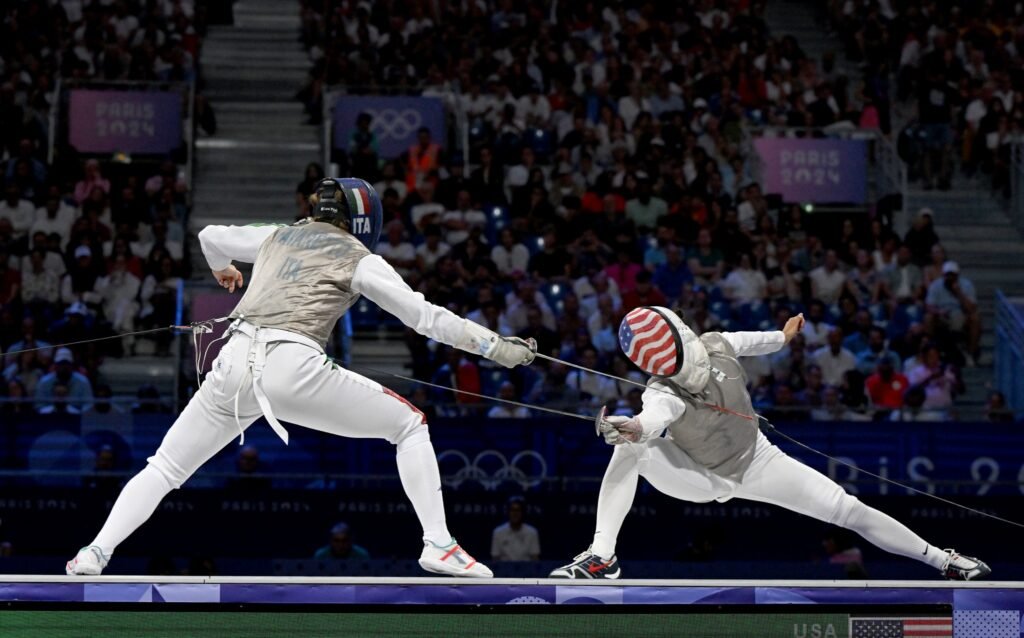
The lunge is central to the problem. During an attack, the front knee must decelerate the body, absorb impact and stabilise before recovery. This places high eccentric demand on the quadriceps and significant shear forces across the joint. When tissue capacity does not match training volume or intensity, overload develops.
Two mechanisms explain most knee symptoms in fencers. First, repeated eccentric loading increases strain on the patellar tendon, particularly during high-volume footwork or dense training blocks. Second, the asymmetrical nature of fencing means the lead leg consistently absorbs more force, increasing cumulative stress on the meniscus and surrounding structures. If neuromuscular control during deceleration is insufficient, joint stress rises further.
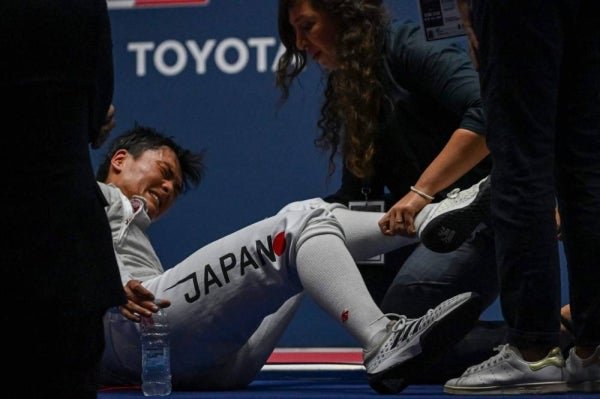
Symptoms vary depending on the structure involved. Patellar tendon pain typically develops gradually at the front of the knee and worsens with lunging or jumping. Meniscal irritation often presents with joint line discomfort and swelling after repetitive compression or sharp deceleration. ACL strain is less common but may occur during uncontrolled pivoting or sudden stops.
Rehabilitation must be progressive and specific to fencing demands. Early phases focus on maintaining movement and general conditioning without excessive knee load. For tendon-related issues, structured loading is essential. Isometrics, followed by heavy slow resistance and controlled eccentric work, improve tendon capacity more effectively than rest alone.
Strength restoration should address not only the quadriceps, but also hamstrings, hip abductors and adductors, and calf function. The knee does not work in isolation. Ankle and hip limitations often alter mechanics and increase local stress. Objective strength testing and limb symmetry assessment provide clearer guidance than timelines alone.
As symptoms settle and strength improves, rehabilitation progresses toward functional control. Deceleration drills, single-leg work and graded plyometrics rebuild dynamic stability. Only once these qualities are restored should fencing-specific footwork be reintroduced, beginning at submaximal intensity and progressing gradually to full-speed actions.
A practical rule during return to training is that mild discomfort that settles within 24 hours may be acceptable. Persistent pain or swelling indicates that load exceeds current capacity and should be adjusted.
For coaches and clinicians, regular screening of unilateral strength and deceleration control helps identify deficits before symptoms appear. Maintaining tendon and eccentric strength throughout the season is more effective than addressing problems only when pain develops.
Knee management in fencing is not about removing load, but about matching load to capacity. When strength, mechanics and training volume are aligned, the knee tolerates the repetitive demands of the sport more effectively. Consistent physical preparation supports availability, and availability supports performance.