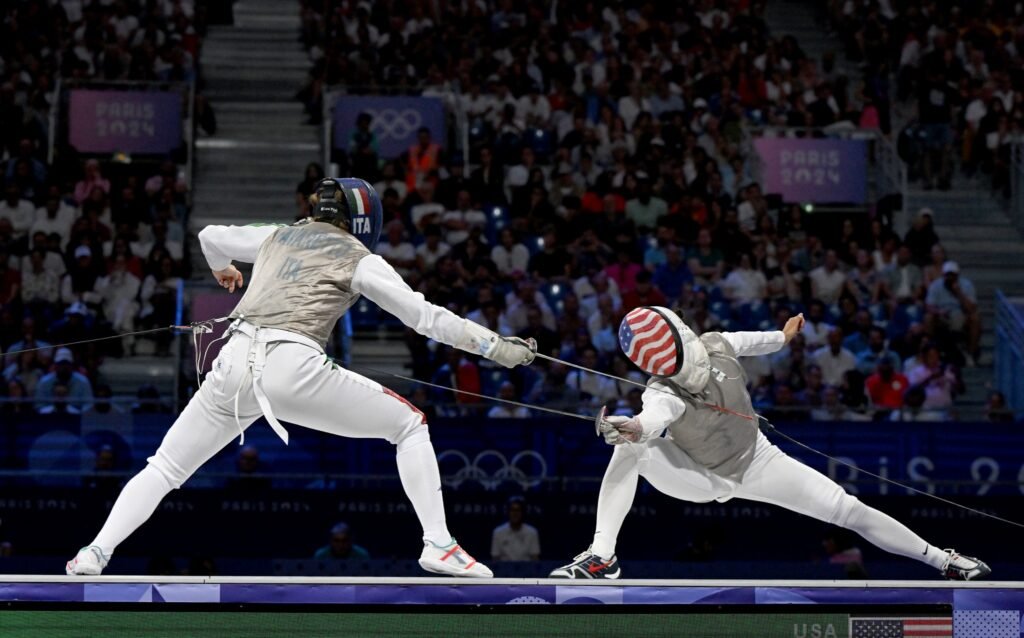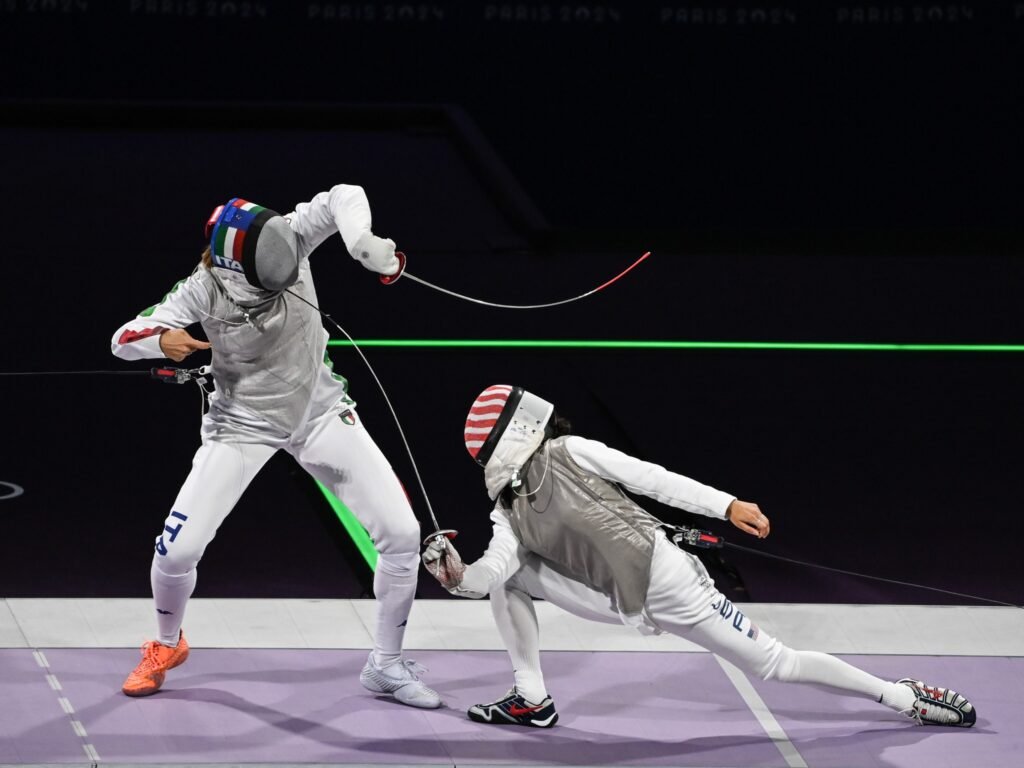
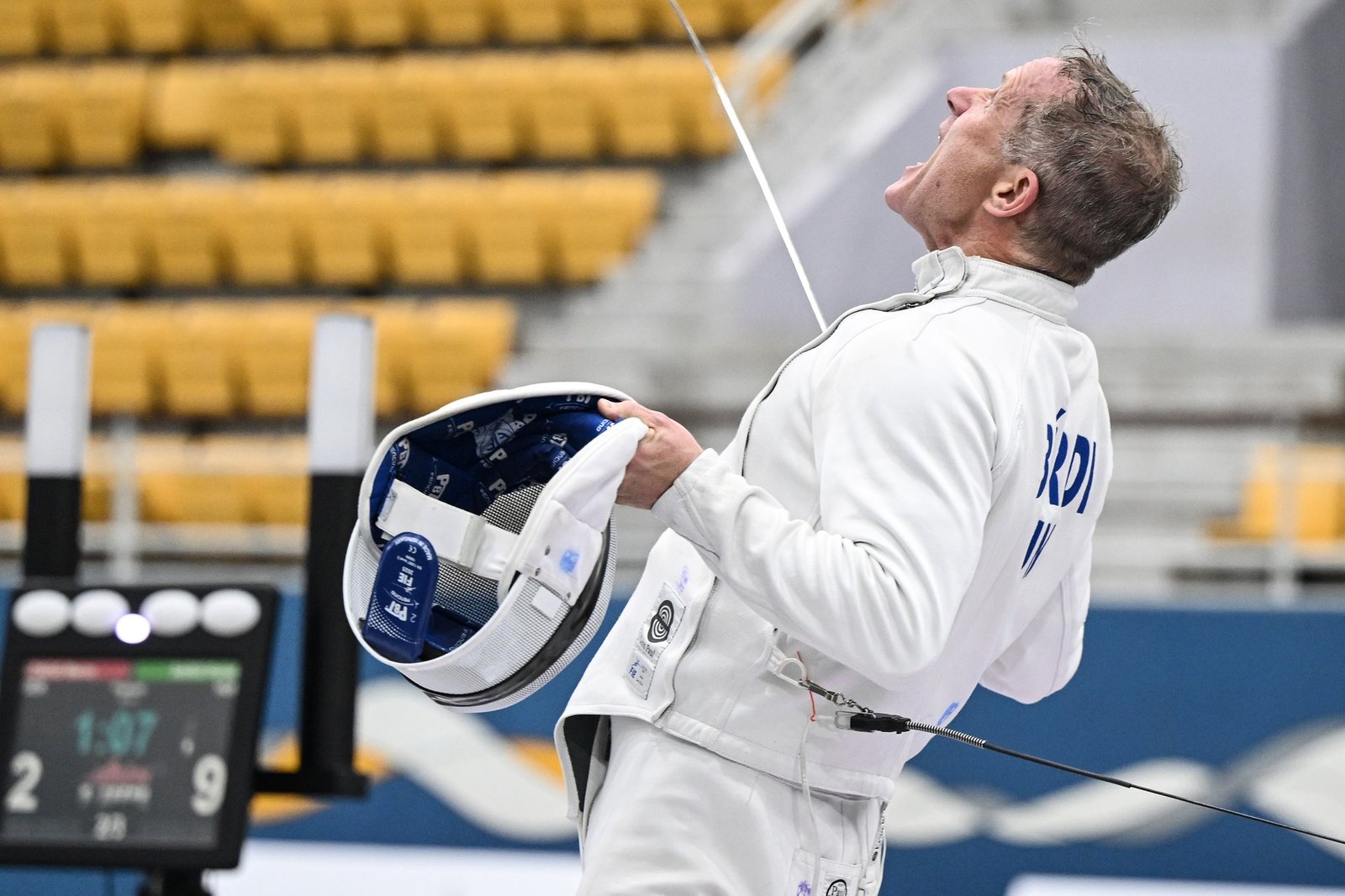
Aging changes the way fencers need to approach training. By 40, the focus shifts from pushing limits to maintaining longevity, efficiency, and resilience. The body undergoes natural changes—hormonal shifts, slower recovery, and increased injury risk—but with a strategic approach, fencers can continue to perform at a high level. Training smarter, prioritizing strength, and focusing on movement over static stretching are key to staying strong and competitive for years to come.
1. Train Smarter, Not Harder
As we age, testosterone, growth hormone, and collagen production decline. This results in slower recovery, reduced muscle repair, and increased susceptibility to injury. While training progress may take longer, it’s still achievable with the right adjustments:
- Prioritize warm-ups and movement prep. A well-structured warm-up is no longer optional—it’s essential to prepare the joints, muscles, and nervous system for training.
- Increase focus on accessory work. Strengthening supporting muscles helps protect joints and tendons, reducing the likelihood of overuse injuries.
- Dedicate extra time to recovery. Regular mobility work, hydration, massage, and other recovery strategies help minimize soreness and maintain performance.
- Set sustainable goals. While intensity is still important, consistency over time is what leads to lasting results. Adjust expectations and train for longevity.
2. Strength Training is Non-Negotiable
One of the biggest misconceptions about training after 40 is that strength work should be reduced in favor of cardio. In reality, maintaining muscle mass, power, and speed is crucial for performance and injury prevention. As the body naturally shifts toward slow-twitch muscle fiber dominance, it’s important to counteract this transition with targeted strength work:
- Train for power, speed, and hypertrophy. Explosive drills and resistance training slow muscle fiber transition and support hormone production.
- Protect joint health. Strength training helps combat tendonitis, arthritis, and other common age-related issues by keeping muscles and connective tissues strong.
- Prioritize compound movements. Multi-joint exercises like squats, deadlifts, and pull-ups maintain functional strength needed for fencing.
3. Replace ‘Stretching’ with ‘Movement’
Many fencers stretch daily but still struggle with stiffness. That’s because static stretching alone doesn’t improve functional mobility. Instead, incorporating dynamic, controlled movement patterns leads to better flexibility, coordination, and injury resistance.
- Incorporate controlled, variable movements. Movements that challenge different ranges of motion enhance flexibility while improving strength and stability.
- Use restorative sessions. Dedicated mobility drills and proprioceptive exercises help maintain fluid, efficient movement.
- Focus on joint health. Functional movement keeps the body adaptable, reducing the risk of stiffness and injury over time.
Final Thoughts: Health First
Staying competitive in fencing after 40 isn’t just about training—it’s about overall well-being. Regular medical checkups, stress management, hydration, and quality sleep are just as important as time spent training. A well-balanced approach to fitness, recovery, and health ensures fencers can continue performing at a high level for years to come.