The Key Role of the Ankles and Hips
In fencing, small inefficiencies become big performance limitations.
Speed, timing and precision are central to success, but how efficiently a fencer moves determines how consistently those qualities can be expressed. Movement efficiency is the ability to produce the required action with minimal wasted energy and unnecessary tension. On the piste, that means clean acceleration, stable landings, and smooth transitions between attack and defence.
Two areas are often overlooked in this process: the ankles and the hips.
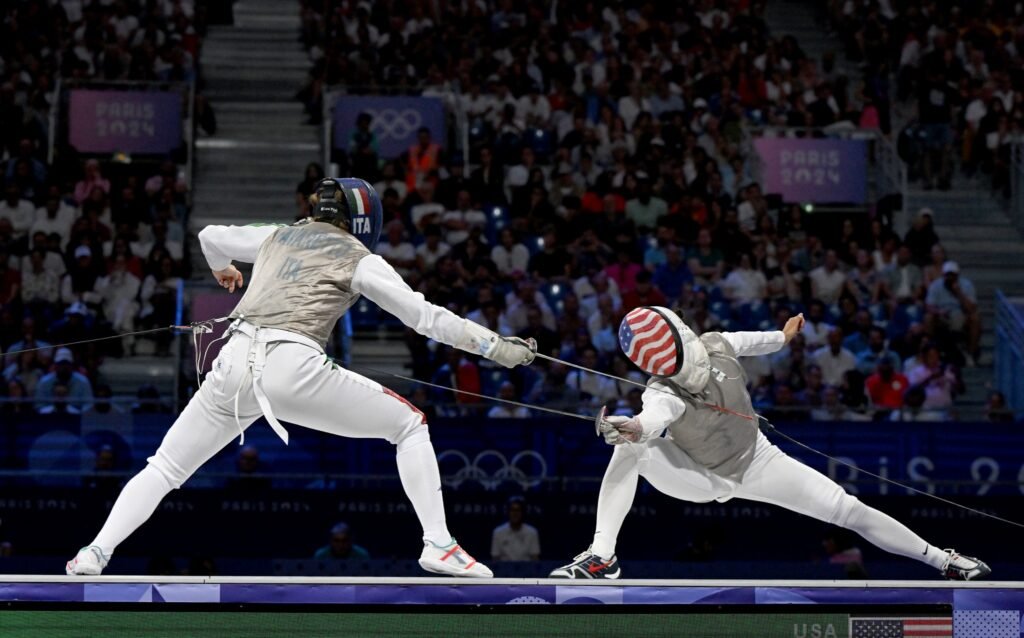
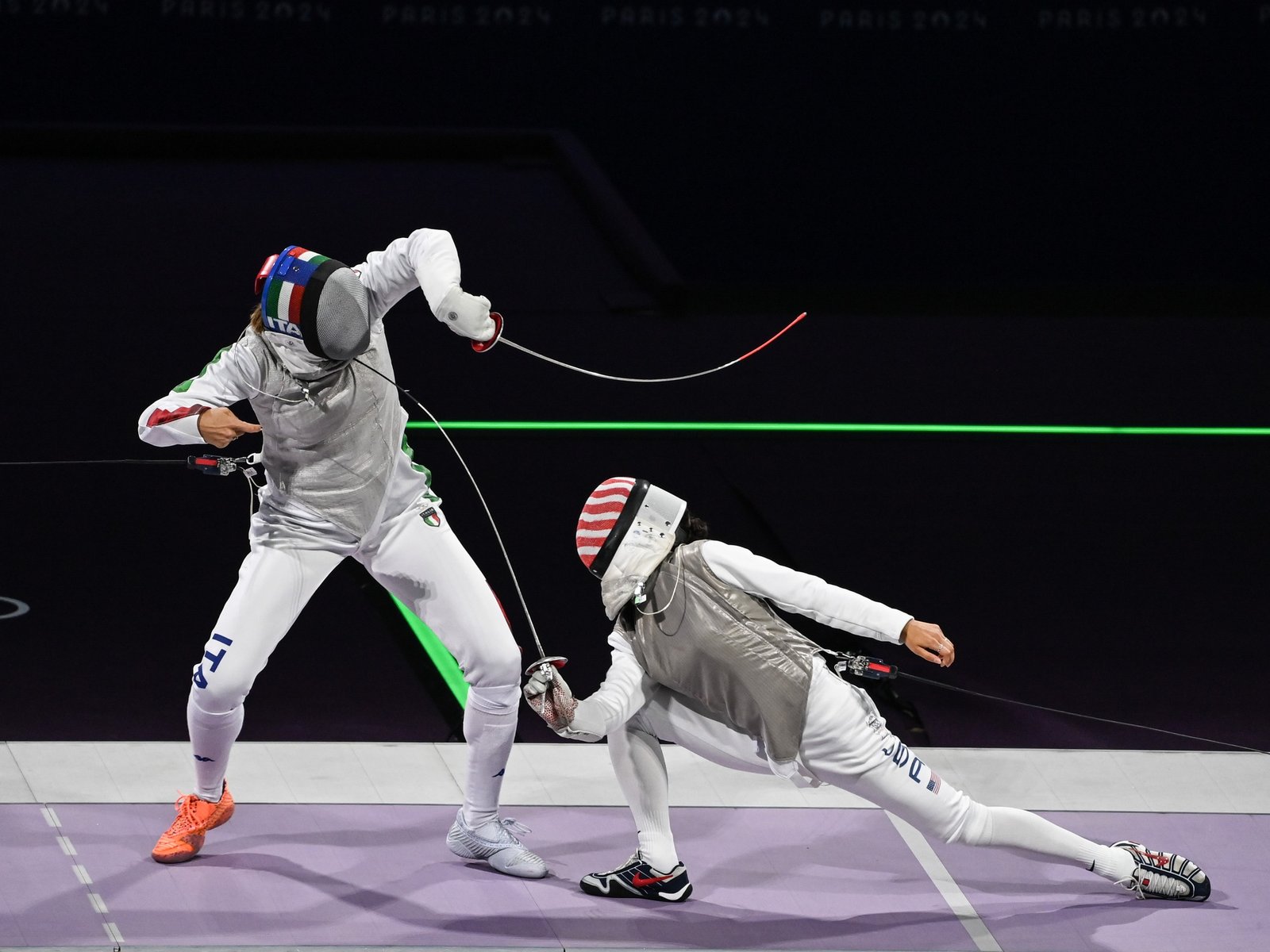
The ankles are the first point of contact with the ground and play a central role in absorbing and producing force. Every advance, retreat and lunge depends on their ability to control position and transfer force quickly. Limited ankle mobility can delay push-off and alter foot placement. Poor strength or stiffness control reduces reactivity and increases stress further up the chain.
The hips are the main driver of lower body force. They generate propulsion in the lunge, control deceleration, and stabilise the pelvis during directional changes. If the hips lack mobility or strength, force production becomes compromised and compensation occurs at the knee or lower back. Over time, this reduces efficiency and increases injury risk.
When ankle and hip function are aligned, movements become sharper and more economical. Ground contact time decreases, posture improves, and transitions between actions feel smoother. The athlete expends less unnecessary energy, which supports endurance across long bouts and competition days.
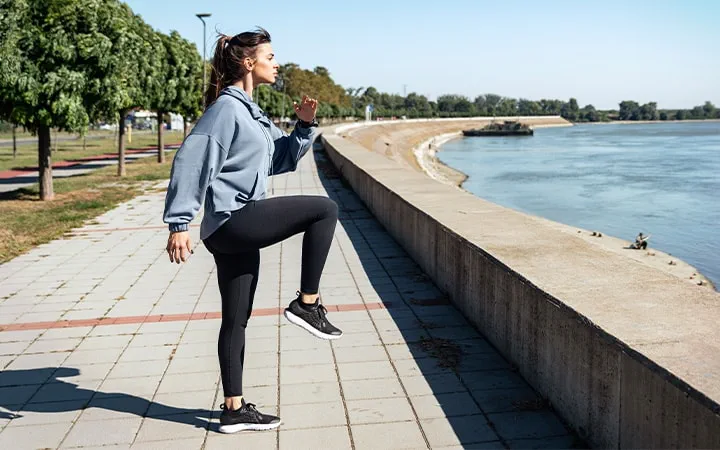
Improving movement efficiency does not require complex solutions. Dynamic mobility work for the ankles and hips should be part of every warm-up. Strength training should reinforce full range control through squats, lunges, split stance work and single-leg variations. Plyometric exercises can then build on this foundation, improving reactivity and elastic force production.
Technical work also benefits from this perspective. Coaches should not only correct tactical decisions or blade position, but also observe how the athlete moves into and out of actions. Efficient footwork is not just fast, it is controlled and repeatable.
In the long term, efficient movement reduces cumulative joint stress, supports recovery between sessions and allows higher quality training across the season. Availability remains one of the most important performance variables.
Physical preparation serves fencing performance. By strengthening and mobilising the ankles and hips with purpose, fencers improve not only how they move, but how effectively they can apply their technical and tactical skills under pressure.