Why Lower Limb Stiffness Matters for Young Fencers
Speed is decisive in fencing. The quality of the first step, the sharpness of a lunge, and the ability to re-accelerate after a retreat often determine who controls the exchange. Behind these actions sits a key physical quality: lower limb stiffness.
Lower limb stiffness refers to the ability of the muscles and tendons in the legs to store and release elastic energy during fast movements. When an athlete contacts the ground, force is absorbed, briefly stored, and then rapidly reproduced. The more efficiently this happens, the shorter the ground contact time and the more explosive the movement.
In simple terms, it is the body’s elastic system. In fencing, that elastic response supports quick acceleration, efficient push-off in lunges, and sharper directional changes.
Research published in 2019 in the Journal of Strength and Conditioning Research examined boys aged 11 to 16 and found a clear relationship between lower limb stiffness and sprint speed. As athletes matured, both stiffness and sprint performance improved, and the relationship between the two remained consistent across age groups. This highlights that neuromuscular development and muscle-tendon properties play an important role in speed progression during adolescence.
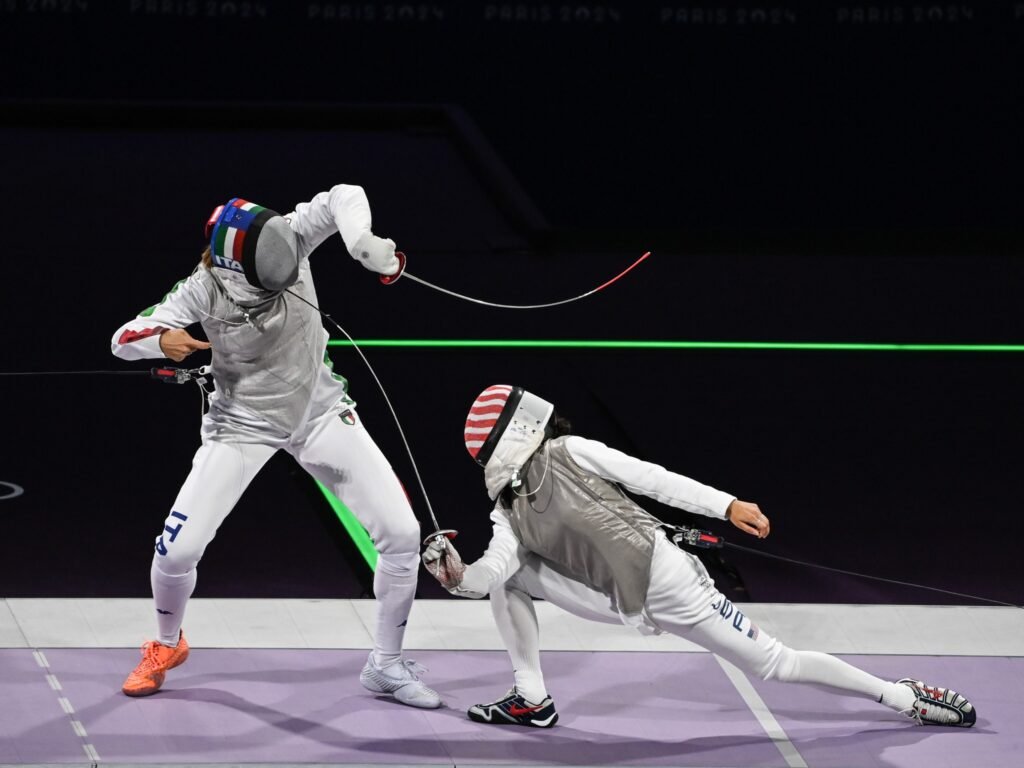
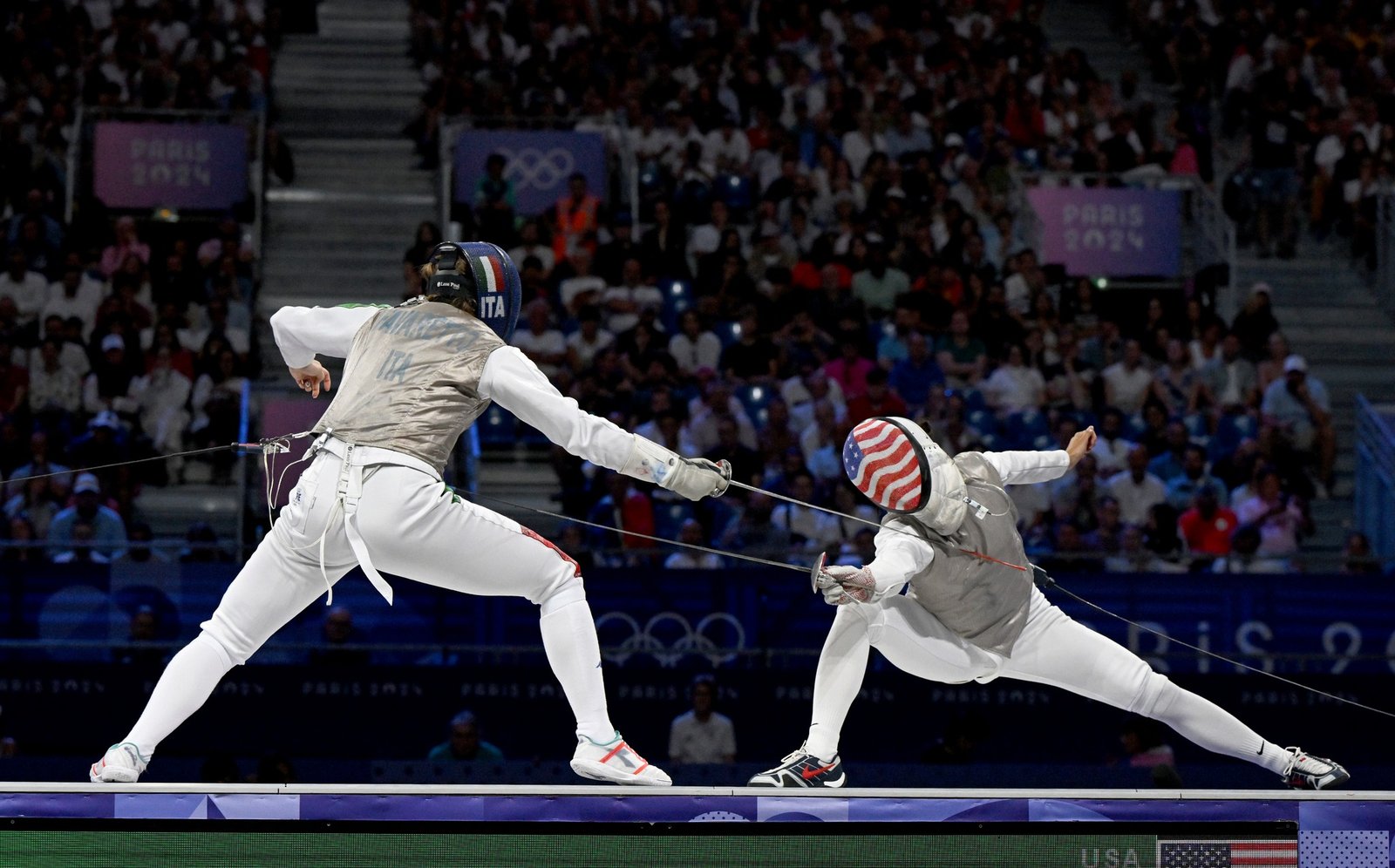
For fencing, this is highly relevant. Although fencing is not linear sprinting, the physical qualities that underpin sprint speed also underpin explosive footwork. The initial drive of the rear leg in a lunge, rapid advance-retreat sequences, and the ability to decelerate and re-accelerate all rely on efficient force absorption and reproduction.
Lower limb stiffness can be developed through structured training. Progressive strength work builds the force-producing capacity of the lower body. Carefully progressed plyometrics improve the ability to apply that force quickly. For younger fencers, emphasis should be placed on coordination, landing mechanics, and controlled force absorption before introducing higher intensity reactive work.
Growth and maturation must also be considered. During periods of rapid growth, coordination can temporarily decline and movement quality may fluctuate. This is normal. Physical preparation should adapt to biological development, reinforcing foundations rather than chasing short-term speed outcomes.
The key message is simple. Speed in fencing is not only about moving quickly, but about applying force efficiently. Developing the elastic qualities of the lower limbs, alongside foundational strength, supports sharper actions on the piste and contributes to long-term athlete development.
Physical preparation serves fencing performance. When speed qualities are built on strong foundations, they translate more reliably to competition.